A must-read for office workers: Daily prevention tips for sciatica
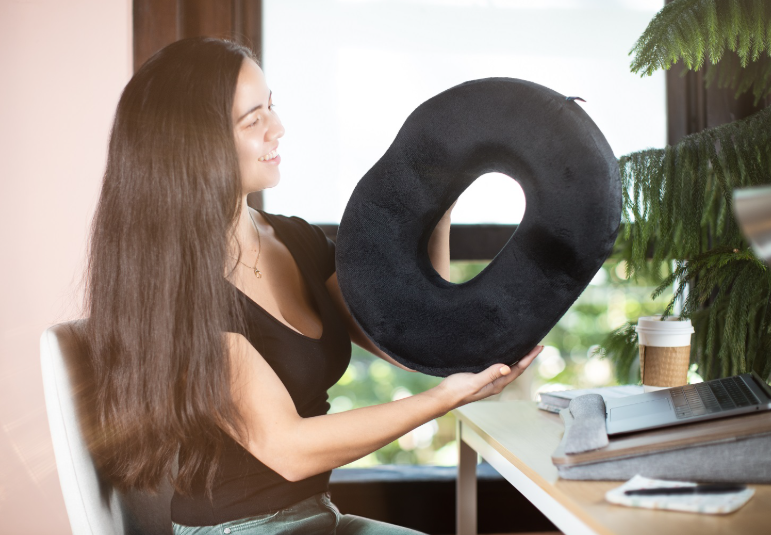
Prolonged sitting, lack of exercise, and uncomfortable desks and chairs are among the common problems facing modern people: sciatica . Not only can it cause severe back and waist pain, but it can also affect your work and quality of life.
The good news is that with scientific preventative measures and tools like a ring cushion or donut pillow , you can alleviate or even prevent sciatica in your daily routine.
From “mild discomfort” to “uncomfortable sitting”: the daily warning signs of sciatica
Do you often experience lower back pain, numbness in your buttocks, or even a dull ache in your legs when you stand up after sitting for long periods? These aren’t just simple signs of fatigue; they could be early warning signs of sciatica. The sciatic nerve runs through the lower back, buttocks, and thigh, and is the longest nerve in the body. Compression or stretching of this nerve can cause persistent pain.
Prolonged desk work, poor posture, insufficient chair support, or excessive pressure on the hips can all contribute to the accumulation of these problems. This is especially true for office workers; even sitting for just five more minutes can unknowingly build up stress.
To avoid sciatica, the key is to improve your daily posture. Choose a supportive chair or a donut pillow, and incorporate regular stretching exercises. True relaxation is essential to prevent work from becoming associated with pain.
Know Your Body: Why Sciatica Happens to You
1. Long-term sitting and compression are the root causes
Sitting for a long time causes continuous pressure on the buttocks muscles and ischial area, slowing down blood circulation and “trapping” the nerves, causing numbness and pain.
2. Chairs are not universal supporters
Most office chairs do not distribute pressure well. Even ergonomic chairs cannot completely avoid long-term pressure on the ischial area.
3. Lack of core muscle strength
When the core strength of the waist and abdomen is insufficient, the body cannot naturally remain upright and can only rely on the lower back and buttocks to bear the pressure, further increasing the burden on the nerves.
4. Wrong posture exacerbates the problem
Hunching, crossing legs, leaning forward, sitting cross-legged… these “habitual sitting postures” are gradually changing the curve of your spine, slowly putting your body into a “sub-healthy” state.
Scientific prevention tips for daily office work
1. Adjust the office environment
Chair height : Ensure your feet are flat on the ground and your knees and hips are at 90° to 100°;
Table height : elbows are naturally bent at 90 degrees and arms can be easily placed on the table;
Monitor height : The top edge of the screen should be at eye level to avoid bending your neck forward.
Tip : A good working environment is the basis for preventing sciatica.
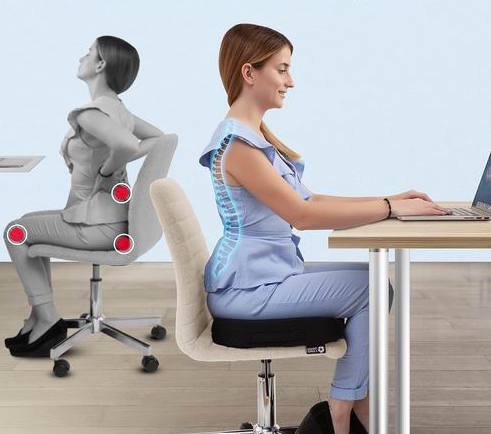
2. Correct sitting posture
Keep your buttocks against the back of the chair and avoid leaning forward.
Tilt your pelvis slightly forward , naturally curving your lumbar spine;
Avoid crossing your legs or sitting with your legs crossed to prevent uneven pressure on your waist.
Sitting posture not only affects comfort but is also directly related to spinal health.
3. Take regular micro-breaks and stretches
Get up and move around for 2-5 minutes every 30-45 minutes ;
Stretching : bend forward to stretch your back and twist your upper body to relieve tension in your waist and hips;
Small exercise in the office : stand on tiptoe and gently kick your legs to promote blood circulation.
Tip : Micro-breaks not only relieve muscle stress but also improve concentration and work efficiency.
4. Use of auxiliary tools
Ring cushion/donut pillow : reduces tailbone pressure and makes sitting more comfortable;
Memory foam material : fits the pelvic curve and does not make you tired even when sitting for a long time;
Portable design : can be taken to the office, home, or on business trips.
Tip : Choose an ergonomic cushion to incorporate comfort into your daily office work, which is both scientific and efficient.
5. Strengthen core muscle training
Core muscles : Abdominal muscles and lower back muscles help support the spine;
Daily exercises : Plank, bridge pose, cat-cow stretch, 5-10 minutes each;
Long-term effects : Improve sitting stability and reduce the risk of sciatica recurrence.
Tip : Core strength is a long-term “insurance” to protect the spine and improve sedentary posture.
How to choose and use a seat cushion
Material selection
Memory foam : good support, reduces tailbone pressure;
Latex : Strong elasticity, breathable, and comfortable.
Design Points
Anti-slip bottom : prevent the seat cushion from sliding and affecting your sitting posture;
Breathable fabric : reduces heat and improves comfort;
Portable and washable : suitable for office, home, or business trip use.
Correct usage
Align the center of the tailbone with the depression to relieve pressure.
Keep your spine naturally upright and sit in a good posture.
Change positions regularly to prevent local compression.
Tip: Use the seat cushion as an essential tool for daily office work so that you can be comfortable and healthy anytime and anywhere.
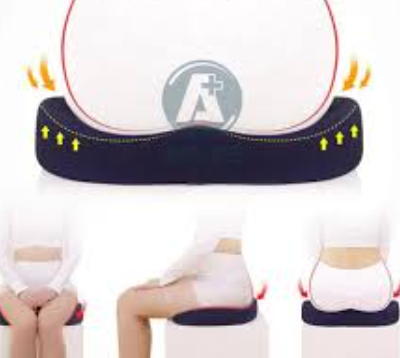
We recommend the memory foam seat cushion donut pillow . Its core memory foam structure slowly rebounds when subjected to force, not only providing a soft sense of support but also allowing the center of gravity to be naturally dispersed to the roots of the thighs and both sides of the pelvis, thereby achieving a “balance of support and decompression.”
Frequently Asked Questions About Sciatica
Q1: Does a donut pillow help sciatica?
A1: A donut-shaped cushion can disperse pressure on the tailbone, relieve tension in the hips and lower back, and reduce pressure on the sciatic nerve. It’s very effective as a daily preventative and supportive tool. It’s even more effective when paired with a correct sitting posture.
Q2: Can sciatica really be improved by sitting posture?
A2: Scientific research shows that adjusting sitting posture, reducing sitting time, and maintaining waist support can significantly reduce the incidence of sciatica.
Q3: How long do I need to exercise every day to prevent sciatica?
A3: 10-15 minutes of core training every day, combined with intermittent micro-rest and stretching exercises, can play an effective preventive role.
Q4: Will long-term use of the ring cushion cause dependency?
A4: The ring cushion is an auxiliary tool and will not cause dependency. Combined with correct sitting posture and exercise habits, it can improve sciatic nerve health in the long term.
Summarize
Sciatica doesn’t develop overnight, nor will it disappear overnight.
It reminds us that the body is not a machine but a being that needs to be treated gently.
You can start with the simplest thing—replace that chair that “presses your back” with a memory foam donut pillow that understands you.
Using a memory foam seat cushion donut pillow makes you “softer” and “more stable,” helping you regain your true balance at the desk.
When the body is supported, the nerves are relaxed, and the blood starts to flow again, you will find that health is not far away but is hidden in the moment we sit down every day.
So, from today on, stop forcing yourself to sit; learn to use the right method to give yourself a healthier and more comfortable sedentary life.