DIY Donut Pillow Covers: Your Complete Guide to Custom Style & Comfort
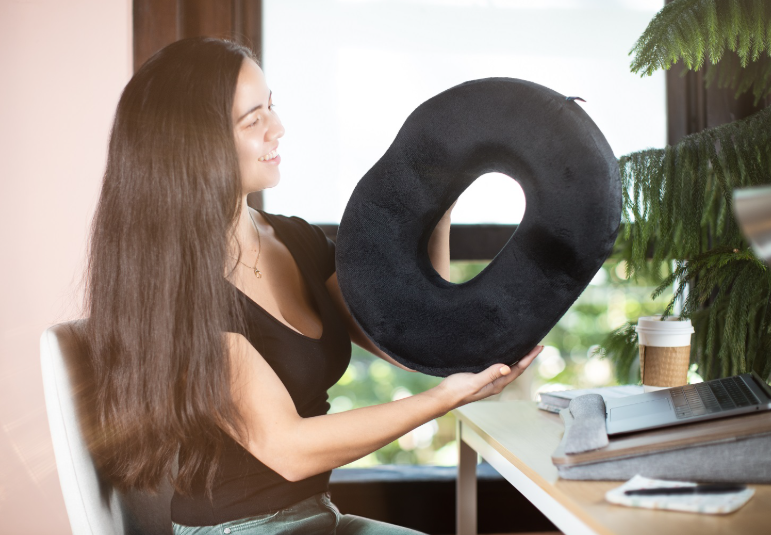
Tired of generic donut pillows that lack personality? Creating custom DIY donut pillow covers transforms standard cushions into personalized comfort solutions perfect for office, car, or home use. This comprehensive guide walks you through creating custom donut pillow covers that maintain the original cushion’s therapeutic benefits while adding your unique style. Whether you want to match your home decor, create a durable car seat cover, or make a statement piece for your office, these donut pillow DIY techniques deliver professional-looking results with beginner-friendly methods.
Why Custom Donut Pillow Covers Make Sense
Standard donut cushion covers often come in limited colors and materials that may not suit your specific needs or style preferences. Creating your own personalized donut pillow covers offers multiple advantages:
- Style Customization: Match your office decor, car interior, or home color scheme
- Material Control: Choose fabrics that suit your climate and comfort preferences
- Functionality Enhancement: Add pockets, ties, or special features missing from standard covers
- Cost Efficiency: Refresh your donut pillow appearance without buying new cushions
- Therapeutic Preservation: Maintain the original cushion’s pressure relief and cooling functions
Essential Principles for Successful Donut Pillow Covers
1. Maintain Therapeutic Functionality
Your DIY donut pillow covers must preserve the original cushion’s therapeutic benefits:
- Pressure Relief Design: Don’t alter the center opening that provides tailbone relief
- Breathable Materials: Maintain the cooling gel and memory foam effectiveness
- Proper Fit: Ensure covers don’t compress the memory foam or restrict airflow
2. Choose Appropriate Materials
Select fabrics based on your donut pillow’s primary use:
For Office Use:
- Breathable Cotton: Allows air circulation during long sitting periods
- Professional Colors: Neutral tones that blend with office environments
- Stain-Resistant Finishes: Protect against coffee spills and everyday use
For Car Seats:
- Durable Canvas or Denim: Withstands frequent entry and exit
- Dark Colors: Hide dirt and wear from daily commuting
- Non-Slip Backing: Prevents shifting during driving
For Home Comfort:
- Soft Fleece or Velvet: Provides luxurious comfort
- Decorative Patterns: Matches your home decor style
- Machine-Washable Fabrics: Easy cleaning for regular use
Complete DIY Donut Pillow Cover Tutorial
Materials You’ll Need
Essential Supplies:
- 1.5 yards of main fabric (45 inches wide)
- Matching thread
- 14-inch zipper or Velcro closure
- Fabric scissors
- Measuring tape
- Sewing pins
- Iron and ironing board
Optional Embellishments:
- Decorative trim or piping
- Embroidery thread for personalization
- Fabric paint or markers
- Additional pockets or straps
Step-by-Step Creation Process
Step 1: Accurate Measurement and Pattern Creation
- Remove your existing donut pillow cover and lay it flat
- Measure the diameter (typically 17-18 inches for standard cushions)
- Measure the center opening (usually 4-5 inches in diameter)
- Add ½ inch seam allowance to all measurements
- Create paper patterns for both the outer ring and center opening
Step 2: Fabric Cutting and Preparation
- Wash and iron your chosen fabric before cutting
- Fold fabric right sides together
- Pin your paper patterns to the fabric
- Cut two identical donut-shaped pieces
- Cut one strip for the side band (width equals cushion thickness plus 1 inch)
Step 3: Assembling the Cover
- Sew the side band into a circle, right sides together
- Pin the side band to one donut piece, matching edges
- Sew with ½ inch seam allowance
- Repeat with the second donut piece, leaving an opening for the closure
- Install your chosen closure (zipper or Velcro)
Step 4: Finishing Touches
- Clip curves and trim seam allowances
- Turn the cover right side out
- Press all seams for professional appearance
- Add any decorative elements or personalization
- Test fit on your donut cushion
Three Complete Design Projects
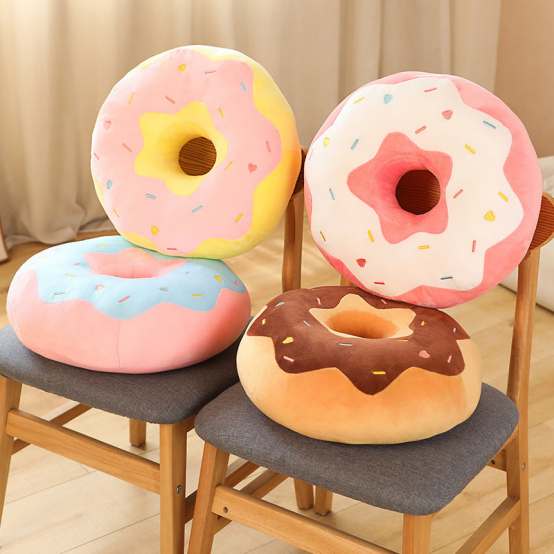
Project 1: Professional Office Donut Pillow Cover
Create a discreet, professional cover for workplace use:
Materials:
- Charcoal gray cotton twill fabric
- Hidden zipper closure
- Subtle contrast piping
- Optional: Interior pocket for small items
Special Features:
- Discreet Design: Looks like a standard seat cushion
- Quick Removal: Zipper allows easy cleaning
- Professional Appearance: Suitable for any office environment
- Functional Addition: Small interior pocket for essentials
Project 2: Durable Car Seat Donut Pillow Cover
Design a cover that withstands daily commuting:
Materials:
- Heavy-duty canvas or denim
- Hook-and-loop closure system
- Anti-slip fabric on bottom
- Water-resistant treatment
Special Features:
- Secure Fit: Hook-and-loop prevents shifting
- Stain Resistance: Treat with fabric protector
- Easy Installation: Designed for quick car seat placement
- Durability: Withstands daily use and varying temperatures
Project 3: Decorative Home Donut Pillow Cover
Make a stylish cover that complements your home decor:
Materials:
- Soft velvet or decorative cotton
- Coordinating decorative trim
- Invisible zipper
- Optional embroidery or appliqué
Special Features:
- Luxurious Feel: Soft fabrics enhance comfort
- Design Integration: Choose colors and patterns that match your decor
- Personal Touch: Add monograms or decorative elements
- Easy Care: Machine washable for regular cleaning
Advanced Customization Techniques
Adding Functional Elements
Enhance your donut pillow covers with practical features:
Storage Pockets:
- Side pockets for remote controls or phones
- Back pocket for magazines or tablets
- Secret compartments for small valuables
Adjustment Features:
- Removable inserts for thickness adjustment
- Multiple closure options for different users
- Additional padding in specific areas
Specialized Materials:
- Moisture-wicking fabrics for hot climates
- Thermal materials for cold environments
- Hypoallergenic fabrics for sensitive users
Personalization Options
Make your DIY donut pillow covers truly unique:
Embroidery Techniques:
- Simple monogramming for personal identification
- Decorative patterns that complement your style
- Inspirational quotes or meaningful symbols
Fabric Manipulation:
- Patchwork designs using fabric scraps
- Appliqué artwork for visual interest
- Texture combinations for tactile appeal
Color and Pattern Strategies:
- Gradient effects using fabric dye techniques
- Pattern matching for professional appearance
- Color blocking for modern design statements
Maintenance and Care Instructions
Cleaning Your Custom Covers
- Regular Maintenance: Spot clean as needed between washes
- Washing Guidelines: Follow fabric-specific care instructions
- Drying Recommendations: Air dry to preserve fabric integrity
- Storage Tips: Store flat or rolled to maintain shape
Extending Cover Lifespan
- Rotation Strategy: Have multiple covers to rotate regularly
- Seasonal Changes: Switch covers based on weather conditions
- Repair Techniques: Learn basic mending for minor damage
- Protective Treatments: Apply fabric protector as needed
Troubleshooting Common DIY Issues
Fit and Sizing Problems
- Too Loose: Add darts or take in seams
- Too Tight: Let out seams or create expansion panels
- Uneven Fit: Check pattern alignment and seam consistency
Construction Challenges
- Zipper Installation: Practice on scrap fabric first
- Curved Seams: Clip seam allowances and press properly
- Fabric Selection: Choose stable fabrics that don’t stretch excessively
Functional Concerns
- Closure Accessibility: Ensure easy access for users with mobility challenges
- Breathability Maintenance: Avoid heavy linings that reduce airflow
- Therapeutic Preservation: Test cover doesn’t compress cushion excessively
Cost Analysis and Time Commitment
Budget Planning
- Basic Cover: $15-25 in materials
- Intermediate Design: $25-40 with special fabrics and embellishments
- Premium Creation: $40-60 with high-end materials and custom details
Time Requirements
- Beginner: 3-4 hours for first project
- Intermediate: 2-3 hours with experience
- Advanced: 1-2 hours with prepared patterns and materials
Why DIY Streamlines Your Donut Pillow Experience
Creating custom donut pillow covers offers benefits beyond appearance:
Practical Advantages:
- Perfect Fit: Custom covers match your cushions exactly
- Material Control: Choose fabrics that suit your specific needs
- Cost Efficiency: Multiple covers cost less than replacement cushions
- Seasonal Options: Switch covers as weather changes
Therapeutic Benefits:
- Hygiene Improvement: More frequent washing options
- Comfort Enhancement: Materials that suit your personal preferences
- Functional Additions: Pockets, straps, or other useful features
- Psychological Boost: Personalized items often increase usage compliance
Getting Started with Your First Project
Simple Beginner Project
Start with these easy donut pillow cover steps:
- Choose Pre-washed Cotton Fabric: Minimal stretching, easy to work with
- Use Hook-and-Loop Closure: Simpler than zippers for first projects
- Skip Complex Embellishments: Focus on basic construction first
- Follow Standard Measurements: Use your existing cover as a pattern
- Practice Basic Stitches: Straight stitch and zigzag are sufficient
Success Tips for First-Timers
- Make a Muslin First: Test your pattern with inexpensive fabric
- Watch Online Tutorials: Visual guidance complements written instructions
- Join Sewing Communities: Get advice and encouragement from other DIYers
- Celebrate Small Wins: Each completed step builds confidence
Where to Find Materials and Inspiration
Local Resources
- Fabric Stores: Staff can help with material selection
- Sewing Classes: Learn techniques from experienced instructors
- Thrift Stores: Find unique fabrics and inexpensive supplies
Online Inspiration
- Pinterest: Discover countless design ideas
- Craft Blogs: Detailed tutorials from experienced makers
- YouTube Channels: Visual guides for every technique
- Social Media Groups: Share projects and get feedback
Transform Your Donut Pillow Today
Creating custom donut pillow covers combines practical sewing skills with therapeutic benefit enhancement. Whether you need a professional-looking cover for office use, a durable solution for car commuting, or a decorative addition for your home, these DIY techniques deliver personalized results that store-bought options can’t match.
Discover our premium gel memory foam donut pillow that pairs perfectly with your custom covers. With exceptional pressure relief and cooling technology, it provides the ideal foundation for your creative cover projects.
Ready to start your first donut pillow DIY project? Share your design ideas or ask specific questions below—I’m here to help you create the perfect custom cover for your needs and style preferences.