Meditation Comfort: How Donut Pillows Enhance Your Mindfulness Practice
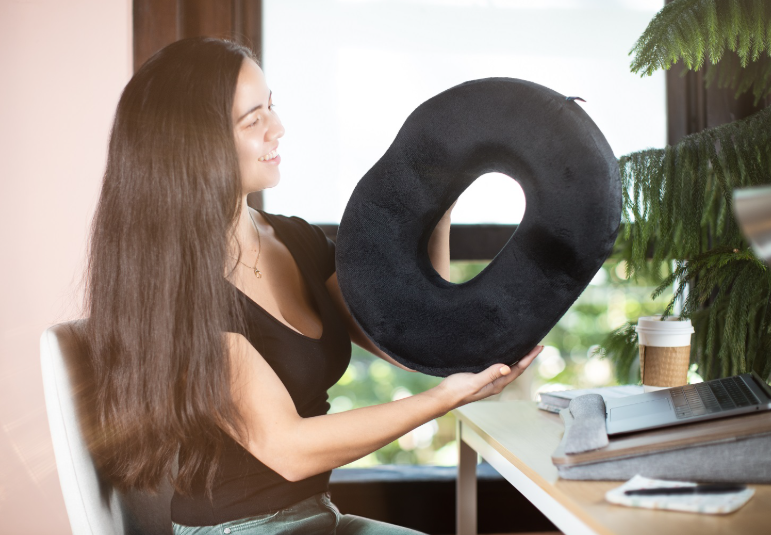
Mindfulness meditation is all about focusing on the present moment and relaxing the body and mind. However, for many people, sitting comfortably for extended periods becomes the biggest challenge. Cross-legged positions can cause numbness in the hips, tailbone discomfort, and stiffness in the lower back, breaking concentration and turning meditation into a physical struggle. A well-designed donut pillow can solve these problems by providing ergonomic support, reducing pressure, and allowing you to focus fully on your breathing and thoughts. This guide explores how donut pillows can become the ideal companion for your mindfulness practice, with tips on selecting and using them effectively.
Understanding the Problem: Why Poor Sitting Posture Disrupts Meditation
Both beginners and experienced meditators often face discomfort from sitting, which can hinder their practice. Donut pillows can address these issues with targeted support:
1. Hip Pressure and Numbness Interrupt Focus
Sitting cross-legged, in full or half lotus positions, or kneeling places continuous pressure on the glutes and sit bones. Prolonged pressure can slow blood circulation, causing numbness and tingling that distracts from your breathing. The ring-shaped design of donut pillows reduces direct pressure on the hips, distributing weight evenly around the cushion edges. Even during 30-minute or longer meditation sessions, hip numbness is minimized.
2. Tailbone Pain Creates a Sitting Burden
Many meditators rest their weight on the tailbone, which can lead to discomfort or tailbone inflammation. Premium donut pillows, especially memory foam versions, feature a central hollow space to relieve tailbone pressure while supporting the glutes. This ergonomic design prevents pain, allowing for a relaxed and stable posture over extended sessions.
3. Lack of Lower Back Support Causes Stiffness
Maintaining an upright spine is essential for proper breathing during meditation. Without support, the lower back can become fatigued, leading to slouching and discomfort. Some donut pillows incorporate slight edge curves or high-density foam to assist spinal alignment, reducing the need for muscular effort and keeping the back naturally straight, so you can focus on your mindfulness practice rather than posture correction.
If you want to explore donut pillows suitable for meditation, with details on materials, dimensions, and support features, you can check this product page: Memory Foam Donut Pillow for Meditation, which includes user reviews and practical guidance.
Choosing the Right Donut Pillow: Key Design Features for Meditation

Not all donut pillows are ideal for meditation. Consider these three factors to select a product that truly enhances comfort:
1. Filling Material: Memory Foam for Support and Comfort
The cushion should balance firmness and softness. Memory foam molds to your body shape, distributing pressure evenly while providing stable support. Some options include bamboo charcoal particles for better breathability, keeping hips dry and comfortable during long sessions, especially in summer.
2. Size and Thickness: Tailored for Sitting Posture
Choose a cushion diameter between 30 cm and 40 cm and a thickness of 5 cm–8 cm. This range provides adequate support without interfering with cross-legged positions or raising the hips too high, maintaining stability during meditation. For example, a 35 cm diameter, 6 cm thick donut pillow works well on most yoga mats.
3. Non-Slip Base: Stability During Practice
A non-slip bottom prevents the cushion from shifting on yoga mats or chairs, ensuring uninterrupted focus. Features like silicone grip dots enhance friction and maintain stability even when you adjust your position slightly.
For model recommendations that meet these criteria, see the Memory Foam Donut Pillow product page, which includes specifications, user reviews, and meditation-specific assessments.
Maximizing Comfort: How to Use Donut Pillows for Meditation
Using the cushion correctly enhances comfort and effectiveness:
1. Placement: Align with the Hips and Tailbone
Place the donut pillow so the hollow center aligns with your tailbone. This setup distributes weight evenly and keeps hips supported. On a chair, position the cushion in the center, ensuring spinal alignment and stability.
2. Combine with a Meditation Mat: Extra Cushioning
A thin meditation mat (1–2 cm) under the pillow increases floor-to-hip cushioning, reducing pressure and protecting the cushion from wear. This combination improves comfort on hard surfaces like wood or tile floors.
3. Regular Cleaning: Maintain Hygiene
Sweat and dust can accumulate over time. Opt for donut pillows with removable, washable covers, or wipe non-removable cushions with a damp cloth and mild detergent, allowing them to air dry to prevent bacteria growth.
Beyond Meditation: Multi-Scenario Benefits of Donut Pillows
Donut pillows are versatile. They improve comfort in office chairs, home seating, or recovery situations. They are particularly useful for postpartum recovery or individuals with hemorrhoid discomfort, offering ergonomic support and pressure relief in various settings.
Conclusion: Comfortable Sitting as the Foundation of Mindfulness
A comfortable sitting posture is essential for effective meditation. By reducing hip pressure, tailbone pain, and back stiffness, donut pillows enable full focus on breathing and thoughts. They are a small but impactful tool for enhancing mindfulness practice. If you want to upgrade your meditation setup and eliminate posture discomfort, consider using a donut pillow to create a more comfortable, focused environment. How do you maintain comfort during meditation? Share your tips and experiences in the comments to explore better mindfulness practices together.