From Medical Device to Lifestyle Aesthetic: The Birth Story of the Donut Pillow
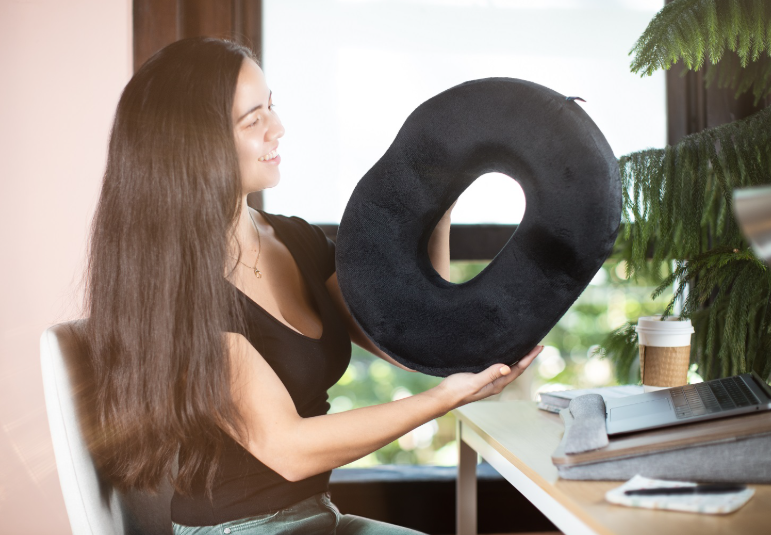
You probably spend all day sitting—whether at work, in meetings, or binge-watching shows at home—and over time, your tailbone and lower back start to protest.
But have you ever thought that a seemingly simple seat cushion could actually help relieve these discomforts? That’s the charm of the Donut Pillow. Today, let’s take a look at its birth story and see how a small cushion transformed from a medical device into a must-have lifestyle aesthetic product.
Inspiration from Medical Needs
The Donut Pillow was originally designed to help postpartum mothers, hemorrhoid patients, or long-term bedridden individuals reduce pressure. Its design—with a hole in the center and soft padding around—reduces stress on the tailbone and hips, making sitting more comfortable.
Designers told us that in the beginning, they studied various medical seat cushions with a clear goal: to evenly distribute body weight while making it convenient for daily use.
Later, they realized this design concept could be applied to office workers, students, and gamers as well: office workers sitting for long hours, students staying up late doing homework, gamers playing long sessions… everyone needs a cushion that is both scientific and visually pleasing.

Material Upgrade: PU Foam and Slow-Rebound Technology
To make the cushion both comfortable and durable, the design team chose high-density PU foam and added slow-rebound technology.
High-density PU foam: Provides strong support and resists sagging, even after long hours of sitting.
Slow-rebound feature: The foam slowly conforms to your body heat and weight, perfectly fitting the curves of your hips and tailbone, reducing pressure points.
Solid color design: Makes the cushion not only functional but also aesthetically compatible with desks, sofas, or car seats.
With these material upgrades, the Donut Pillow has evolved from a medical aid into a daily lifestyle aesthetic item.
How does a donut pillow work?
Many people see a donut pillow for the first time and ask, “How does it make sitting more comfortable?” The principle is actually simple:
Pressure relief design: The hollow center keeps your tailbone suspended, avoiding direct pressure.
Even pressure distribution: The ring-shaped foam supports the hips and upper thighs, spreading pressure across the pelvis.
Body-conforming fit: Slow-rebound foam adjusts to your weight and posture, providing personalized support.
In other words, the moment you sit down, your tailbone has “breathing space,” and long periods of sitting no longer cause pain. This is the magic of combining science with design.
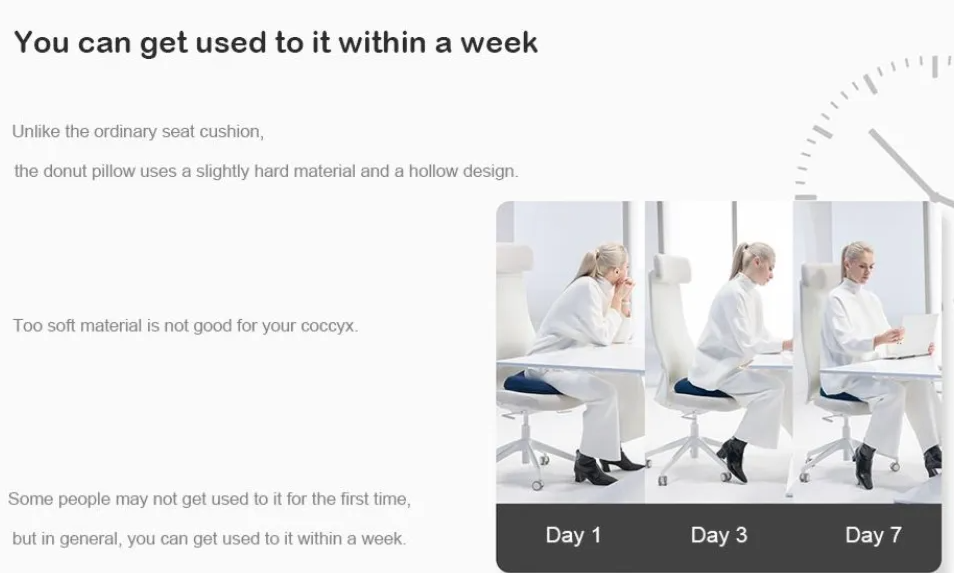
Aesthetic Design: Comfort Meets Style
Designers not only focus on functionality but also on visual experience:
Minimalist solid colors: Matches a variety of office chairs or home décor, enhancing the space’s overall style.
Removable and washable cover: Keeps the cushion clean and hygienic.
Lightweight and portable: Perfect for office, home, car, or travel.
One cushion has transitioned from a medical aid to a lifestyle aesthetic product—it’s not just a technical upgrade, it’s an upgrade to your way of living.
Usage Tips and Maintenance
Suitable for: Office workers who sit long hours, drivers, pregnant or postpartum women, or anyone with tailbone pain.
Maintenance: Keep the foam dry and avoid sharp objects; the cover is removable and washable.
Lifespan: High-density PU slow-rebound cushions typically last 3–5 years. Replace when the foam shows obvious sagging or loses support.
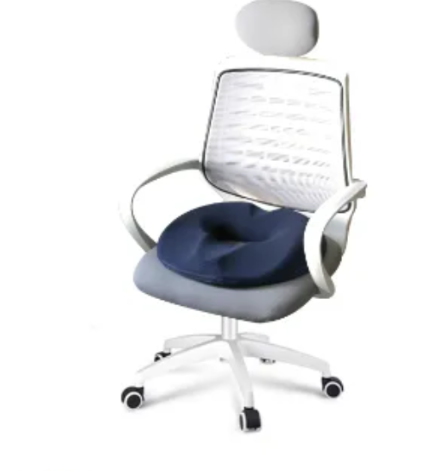
Conclusion: The Wisdom and Comfort Behind a Cushion
From its original medical design to its presence in offices, cars, and homes, the Donut Pillow carries not only comfort but also a blend of science and aesthetics.
It reminds us that prolonged sitting isn’t just a habit issue—it’s a health issue. Choosing a cushion that understands your needs is a long-term investment in yourself.
If you’ve been experiencing tailbone or lower back pain, or just want to upgrade your office experience, try the pu foam seat pillow solid color – slow rebound donut pillow. The first time you sit on it, you’ll understand how comfort and lifestyle aesthetics can coexist.