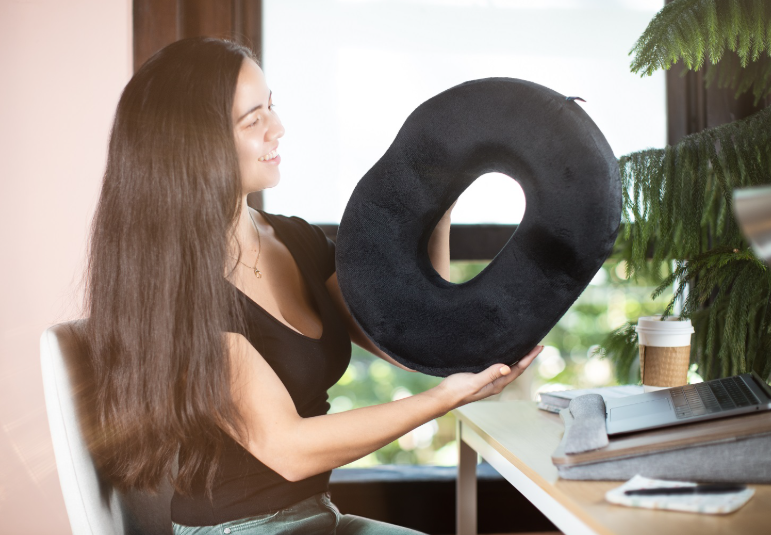
When you hear “donut pillow,” doesn’t it sound super cute? But it’s more than just adorable—it’s actually a health helper designed to relieve issues like sciatica, hemorrhoids, and postpartum recovery. On the market, donut pillows come in various materials, with memory foam donut pillow and gel donut pillow cushionbeing the most popular.
So, which material is right for you? Let me break it down for you.
Do Donut Pillows Work?
Many people ask, “Do donut pillows actually help? Or will they just gather dust?” The answer is yes—they’re designed to reduce pressure on your sit bones and tailbone, making sitting much more comfortable. They’re especially helpful for:
Office workers who sit long hours
Moms recovering after childbirth
People with hemorrhoids or post-surgery protection needs
Elderly people and wheelchair users
Used correctly, donut pillows can reduce pain, improve blood circulation, and help you sit longer without discomfort. But you have to choose the right material and style, or the effect might not be as good.
Memory Foam Donut Pillow: Slow Rebound That Fits Your Curves
Pros:
Slow rebound molding: Memory foam gradually adjusts to your body curves, providing even support to your tailbone and hips, reducing pressure spots.
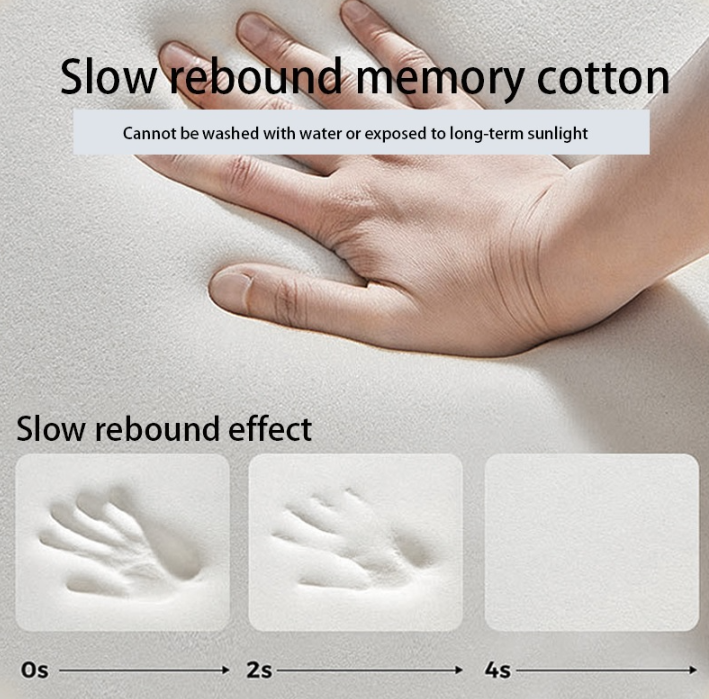
Fatigue relief: Soft yet firm enough, it feels like a gentle cradle—perfect for long sitting sessions.
Light and portable: Usually lighter than gel pillows, easy to carry to work or travel.
Antibacterial and mite-resistant: High-quality memory foam often has antibacterial treatment for better hygiene.
Cons:
Poor breathability: Dense foam can feel stuffy, especially in summer.
Absorbs moisture, hard to clean: Needs a removable, washable cover to stay fresh.
Slight odor at first: New foam may have a mild smell that fades after airing out.
Recommended pick: Donut Pillow Memory Foam Seat Cushion
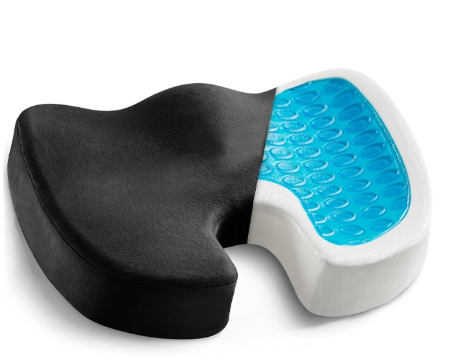
Gel donut pillow cushion: Cool and Breathable to Beat the Heat
Pros:
Great heat dissipation: Gel material conducts heat quickly, keeping you cool—ideal for hot weather or those who sweat easily.
High elasticity: Bounces back quickly after pressure, offering a springy sitting feel.
Non-slip and durable: Usually has an anti-slip surface for stable sitting.
Easy to clean: Smooth surface makes wiping and cleaning simple.
Cons:
Heavier: Gel pillows tend to be heavier than memory foam, less convenient to carry around.
Less contouring: Not as form-fitting as memory foam; some may find it less cushy.
Pricier: Gel materials and manufacturing cost more, so prices are generally higher.
Recommended pick: Gel Memory Foam Donut Pillow
Which One Is Right for You? 4 Quick Tips
Do you sweat easily or get hot in summer?
Go for gel pillows—they’re cooler and more breathable.
Do you want better pain relief and contouring?
Memory foam is your best bet with its slow rebound tailbone protection.
Need something lightweight and portable?
Memory foam is generally lighter for daily carry.
Budget-conscious but want durability?
Memory foam usually offers better cost-performance for most people.
Donut Pillow Usage Tips
Always buy one with a removable, washable cover to keep it clean and hygienic.
Give your body a few days to adapt when you start using it.
Sit properly—align the pillow’s center hole with your tailbone for maximum pressure relief.
Regularly wash or air out the cover to maintain freshness.
Summary
Donut pillows really do help! They ease pressure on your lower back and buttocks during long sitting sessions. But it’s important to know what material you’re getting. Memory foam pillows focus on comfort and contouring—great for pain relief. Gel pillows excel at cooling and breathability—perfect if you tend to get hot or need better heat dissipation.
Choose right, and your donut pillow will be your little helper for comfortable sitting. Still unsure? Try samples of both memory foam donut pillow and gel donut pillow cushion to find your perfect fit!