The Evolution of Sitting Culture: From Floor Mats to Modern Donut pillows
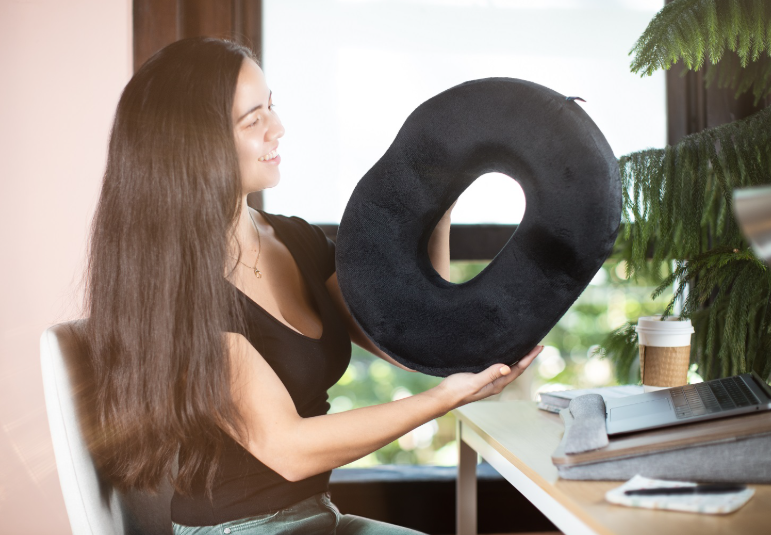
Whether you’re working at the office or watching TV and playing games at home, you might not realize that how you sit not only affects comfort but also reflects different cultures and lifestyles.
From sitting on the floor in Eastern traditions to the Western chair culture, and now to modern donut pillows, every shift carries history, habits, and health considerations.
Eastern Floor Culture: Sit Low, Stay Close
In Eastern cultures, especially in China, Japan, and Korea, people traditionally sit on the floor as part of their daily life.
Floor Mats and Sitting Styles
Tatami mats, floor mats, and carpets are the most common seating options.
Popular postures include cross-legged (full or half lotus), kneeling (seiza), and side-sitting.
Sitting low keeps your center of gravity close to the ground, making it easy to get up or participate in activities like tea ceremonies and dining etiquette.
Health and Cultural Value
Low seating helps stretch leg and back muscles but can put pressure on the knees and hips.
Sitting low also reflects cultural values of humility and modesty.
Western Chair Culture: Sit High, Emphasize Comfort
Unlike the East, Western cultures have long embraced chairs, from classical European palaces to modern offices, making chairs a daily necessity.
Chair Types and Sitting Styles
Common options include high-back chairs, padded chairs, and swivel chairs.
Popular postures: upright sitting, cross-legged on chairs, and reclining.
Higher seating helps with eye-level interactions and work efficiency, while also matching desk and table heights.
Health and Lifestyle Value
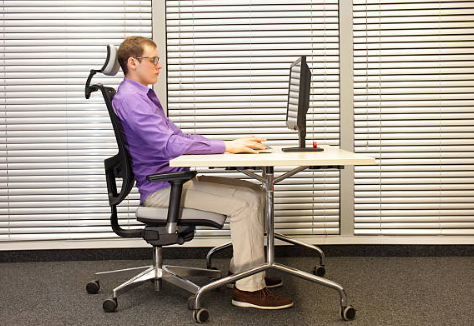
Long hours in high chairs can strain the tailbone and spine, especially for office workers.
Comfort focuses on back support and padding, suited for the fast pace of modern urban life.
3. The Cultural Logic Behind Sitting Differences
The differences in sitting habits are not just about furniture—they reflect philosophies and social habits:
Eastern: Low seating emphasizes humility, closeness to the ground, and active engagement of the body.
Western: High seating emphasizes independence, efficiency, and alignment with desks and space.
Common ground: Both aim to balance comfort and function, but the focus points differ.
From Tradition to Modern Times: The Rise of Donut pillows
As prolonged sitting became common, people in both East and West started paying attention to health issues from sitting: tailbone pain, hip discomfort, and spinal pressure.
Benefits of Donut pillows
Distribute pressure on the tailbone and relieve discomfort from long sitting periods.
Made with memory foam, gel, or air-filled designs that contour to the hips.
Lightweight and portable, suitable for offices, homes, or cars.
Why They Fit Both Sitting Cultures
For Eastern floor sitting: pillows reduce pressure on knees and tailbone, making kneeling or cross-legged sitting more comfortable.
For Western chair sitting: pillows alleviate tailbone pressure, enhancing comfort for long hours of work or study.
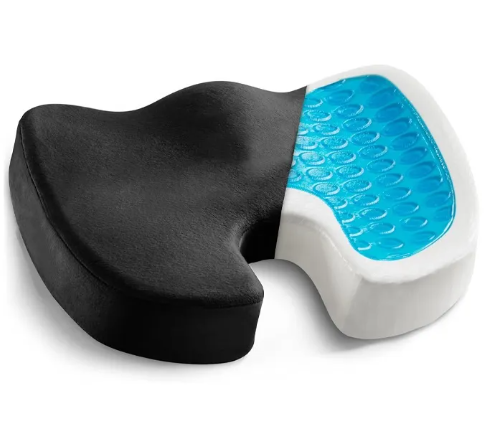
For example,gel memory foam donut pillow use cooling gel material to stay comfortable even during extended sitting and provide targeted pressure relief exactly where you need it.
How to sit on a donut pillow
To make the most of your pillow, here are some practical tips:
Choose the right material: Memory foam or gel pillows distribute pressure and resist collapsing. (Eg:gel memory foam donut pillow)
Find the Right Position
Align the hollow center of the pillow with your tailbone, ensuring your tailbone is suspended and not under pressure.
Adjust your sitting posture: Ensure hips are fully on the pillow, and your back rests naturally against the chair.
Move regularly: Stand up for 2–3 minutes every hour to improve circulation.
Portable use: Bring a small pillow to yoga on the floor, office meetings, or while traveling in the car.
Summary: Sitting with Health and Culture in Mind
From tatami mats to high-back chairs, from ancient etiquette to modern offices, every sitting style reflects different cultures. Donut pillows allow us to honor tradition while taking care of our health:
Eastern style: low seating, cross-legged or kneeling—more comfortable with a pillow.
Western style: high seating, upright or reclining—pillow protects the tailbone.
Modern wisdom: combine material technology and ergonomic design for healthy, comfortable long sitting.
Whether you want to experience cultural sitting traditions or spend long hours in the office, a suitable donut pillow makes your sitting posture healthier and perfectly blends culture with everyday life.