A must-have for commuters! Donut pillows easily relieve body fatigue
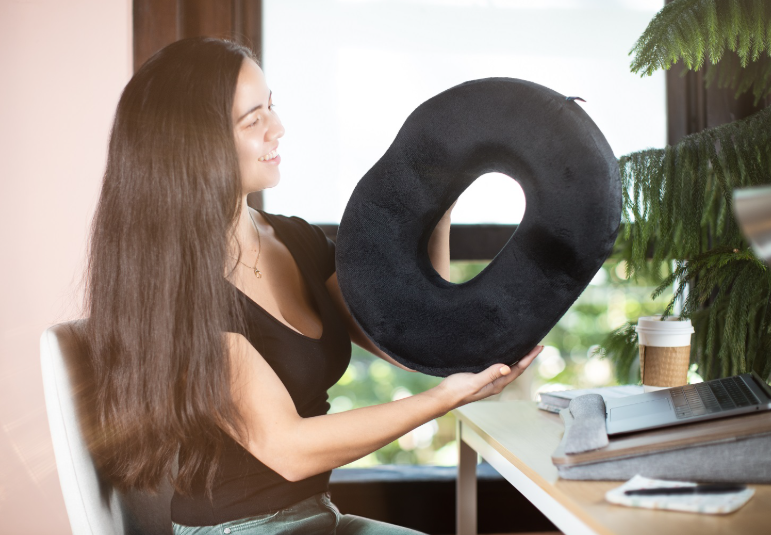
Commuting every day—does it leave your back sore, shoulders tense, and neck stiff? Whether you’re squeezing into the subway, taking the bus, or driving long distances, it can feel like your spine is carrying a heavy stone. But this fatigue isn’t “inevitable.” It actually comes from a lack of proper support and correct habits. Today, let’s talk about how a donut pillow and a few simple tips can make your commute comfortable and help you ditch the fatigue for good.
The truth about commuting fatigue: Why does your tailbone hurt?
Many people think commuting is tiring simply because of the distance. In reality, the real culprits are posture, lack of support, and staying in one position for too long.
Muscles stiffen from prolonged sitting
Whether squeezing into the subway or driving, your body stays in one position for long periods, and your back muscles start to tighten. Prolonged tension not only causes back soreness but also makes your shoulders and neck tense.
Poor posture increases pressure
Looking down at your phone, slouching, or leaning to one side makes your spine take on extra stress. Over time, this can alter your natural spinal curve, causing more back pain.
Lack of support is the key factor
Ordinary seats usually don’t provide support for the tailbone or lower back. Your body weight rests entirely on your spine and muscles. Especially during long commutes, constant pressure on your tailbone and lumbar area causes cumulative pain and fatigue.
How a Donut Pillow Works: Why It Keeps Your Back Comfortable
A donut pillow—also called a tailbone cushion or coccyx pillow—might look small, but it’s actually a scientifically designed support tool.
Distributes tailbone pressure
The center of the pillow is hollow, so when you sit, your tailbone doesn’t take direct pressure. The weight shifts to your leg and glute muscles, letting your back relax naturally.
Maintains natural spinal curve
A good donut pillow keeps the lumbar spine in its natural curve, supporting your lower back and reducing spinal pressure. During your commute, your spine won’t get compressed.
Reduces muscle tension and soreness
With tailbone and lower back support, your upper back and shoulders don’t have to stay tense to hold your body up, drastically reducing discomfort.
Suitable for all commuting scenarios
Whether on the subway, bus, long-distance car ride, office chair, or at home, a donut pillow works perfectly as a helper for commuting or quick naps.

How to Choose the Right Donut Pillow
With so many options on the market, picking the right one is key to truly relieving back fatigue.
Material
Memory foam: Slow rebound, fits the tailbone curve, provides good support, and won’t flatten with long-term sitting.
Latex: Highly elastic and breathable, but may cause allergies in some people.
Fabric or inflatable options: Lightweight and portable, but generally offer less support.
Thickness and Size
The pillow thickness should match the seat height and your hip width.
Too thin = insufficient support; too thick = thighs lifted unnaturally, affecting spinal curve.
Portability
For commuting, choose a lightweight, foldable pillow or one with a carry bag.
Tip: Memory foam donut pillows with moderate thickness are ideal for daily use and multiple scenarios.
How to sit in a donut pillow?
Buying a donut pillow isn’t enough—you need to use it correctly to get the full benefit.
Sitting posture
Place the pillow on the seat with the hollow center aligned with your tailbone.
Sit down so your glutes rest on the cushion, lumbar spine slightly arched, and back close to the seatback.
Feet flat on the floor, shoulders relaxed, and neck upright.
Using your phone or laptop
Keep your phone or tablet at eye level to avoid looking down too much.
When using a laptop or tablet, a stand or lap cushion can help extend back support.
Long-distance commuting tips
Every 30–40 minutes, gently move or twist your waist to improve blood circulation.
Use a small lumbar pillow for upper back support to maintain full spinal comfort.
Cooling and comfort upgrade
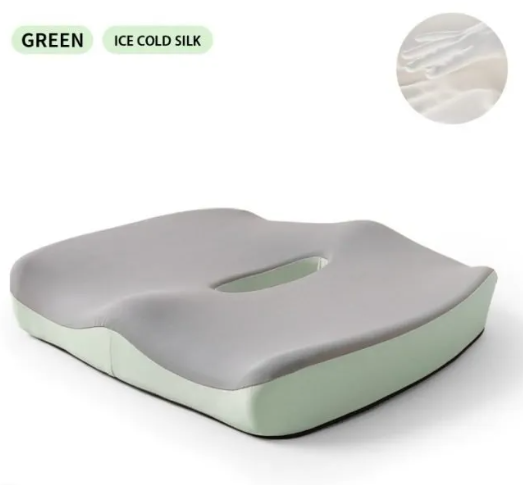
Try an ice silk donut pillow. Its combination of bamboo charcoal and ice-silk fabric relieves pain, enhances airflow, and keeps optimal support. The hollow center design works perfectly with the ice-silk material for maximum cooling and sweat prevention.
Daily Habits to Make Commuting Easier
Even the best donut pillow works better when combined with good habits.
Move regularly
Simple stretches during your commute—ankle rotations, shoulder rolls, light back stretches.
On long rides, stretch your legs and move your knees and ankles to keep blood flowing.
Improve your seating environment
Add a cushion or fabric cover to office chairs or bus seats for more comfort.
Keep the seat clean and ensure the pillow fits your body curve.
Adjust daily posture
Sit upright, engage your core, let shoulders relax, and avoid slouching.
When using devices, lift your head occasionally and stretch your shoulders and neck.
Extra Benefits of a Donut Pillow
Besides reducing back fatigue, donut pillows offer other perks:
Improved blood circulation
Less tailbone pressure improves blood flow in legs and lower back, reducing numbness.
Enhanced focus and comfort
Being comfortable helps you relax, think more clearly, and reduce commuting anxiety.
Multi-scenario use
Perfect for long-distance car rides, flights, office chairs, or home naps.
This small pillow becomes a portable “comfort corner” anywhere, anytime.
Conclusion: Give Your Back Scientific Support for a Comfortable Commute
Commuting doesn’t have to mean sore backs and stiff shoulders. Donut pillows provide pressure relief, support, cushioning, and posture guidance, keeping your back comfortable on subways, buses, and long car rides.
Choosing an ice silk donut pillow helps prevent discomfort from long sitting and tailbone pain. Combine it with simple, science-backed habits, and your commute will be completely transformed: less fatigue, more energy, and a full day of peak performance.