Sit Well, Live Light: Mind-Body Balance in the Age of Prolonged Sitting
These days, sitting has become a daily routine for almost everyone. At work, we sit for hours in front of a computer. On the way home, we sit on the subway. Back at home, we sit again while scrolling on our phones. The result? Sore backs, stiff necks and shoulders, and constant fatigue.
But sitting itself isn’t the enemy—it’s how you sit that makes the difference. Today, let’s talk about how to find physical and mental balance in the age of prolonged sitting, so you can sit comfortably and live more easily.
Your Posture Shapes Your State of Mind
You might not realize it, but your posture directly affects your mood and focus.
Slouching: Makes you look tired, compresses your chest, and affects your breathing.
Collapsed lower back: Increases the load on your spine, leading to inevitable back pain over time.
Good posture: Feet flat on the floor, spine naturally upright, shoulders relaxed, and neck aligned with your back. This not only improves your appearance but also boosts your concentration.
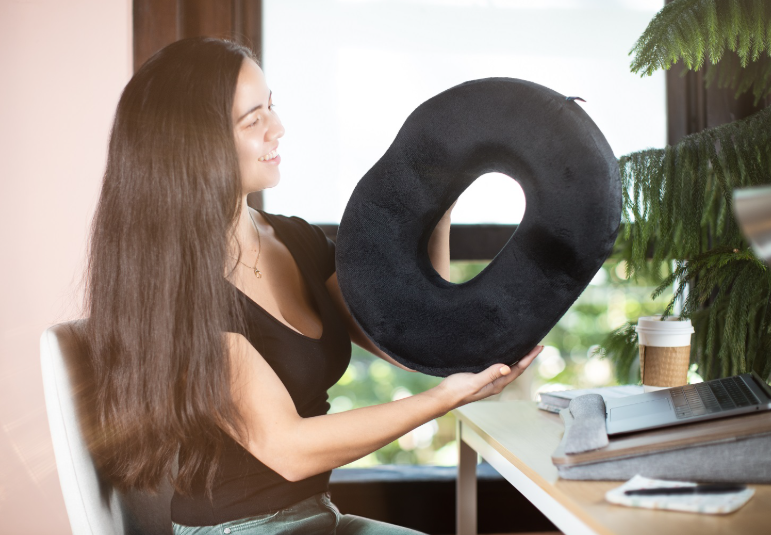
Tip: Add a Donut Pillow or ergonomic seat cushion to help your spine maintain a neutral position and keep you comfortable even during long hours.
The Right Chair & Cushion Can Double Your Comfort
Many people think an expensive office chair guarantees comfort, but personalized support matters more.
Chair height: Your feet should rest flat on the floor with knees slightly lower than hips.
Backrest support: Ideally curved to support your lower back and reduce spinal pressure.
Seat cushion choice: A Donut Pillow — with its hollow center and ergonomic shape — reduces pressure on the tailbone, helping your spine maintain its natural curve.
Tip:Long term office work, driving, pregnancy, and postpartum recovery can all choose to purchase a donut pillow memory foam seat cushion to prevent discomfort caused by prolonged sitting
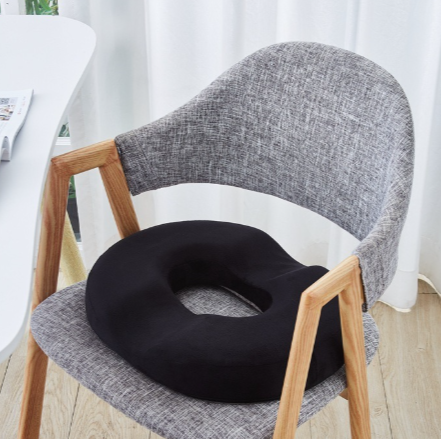
How does a donut pillow work?
Pressure relief: The central opening reduces pressure on your tailbone and sensitive areas, shifting it toward your thighs.
Even weight distribution: The ring shape spreads your body weight evenly, avoiding pain in one spot.
Pelvic alignment: Keeps your pelvis in a natural position, which helps your spine stay upright and reduces back fatigue.
Better circulation: Minimizes pressure points, improving blood flow in your lower body and preventing numbness.
Break Up Your Sitting Time Every Hour
Good posture alone isn’t enough — you need to move.
Stand up: Every 45–60 minutes, take a quick walk — even just to refill your water bottle.
Stretch your neck and shoulders: Roll your shoulders and turn your head gently to release stiffness.
Stretch your lower back: Hug your knees and rock gently forward and backward to relax your spine.
Tip: Use a timer or phone reminder to prompt movement before discomfort sets in.
Use Breathing to Reset Your Mind & Body
Long sitting often leads to shallow breathing, which reduces energy and focus.
Deep breathing: Close your eyes. Inhale so your belly rises, exhale as it falls, and slow your rhythm.
One-minute practice: A few deep breaths several times a day can reduce anxiety and improve circulation.
Tip: Pair deep breathing with a posture check for extra relaxation.

Try “Micro-Movements” to Ease Stiffness
You don’t need a gym to relieve tension — try these at your desk:
Heel raises: Lift and lower your heels with toes on the ground to boost lower-body circulation.
Shoulder blade squeezes: Pull your shoulder blades together for 3 seconds, then release.
Pelvic tilts: Gently tilt your pelvis forward and back to relax lower back muscles.
Tip: These moves take little time and space, making them perfect for work breaks.
Listen to Your Body & Adjust Early
Ignoring discomfort only makes it worse.
Early warning signs: Tingling hips, mild back pain, and stiff neck and shoulders.
Immediate fixes: Change your position, add support cushions, and move around.
Long-term prevention: Follow a “sit–move–relax” cycle to avoid chronic strain.

From Sitting Well to Living Well
Good sitting habits aren’t a quick fix—they’re a lifestyle choice:
Choose the right chair and pillow.
Build movement into your day.
Stay aware of how your body feels.
Find physical and mental balance even while seated.
Key takeaway: Those who know how to sit know how to care for themselves. Comfort while sitting means more energy to live your best life.
Conclusion
We all spend long hours sitting, but learning how to sit well does more than ease back pain—it supports a healthier, more energetic life. Whether at work, at home, or in the car, good posture, a supportive cushion, and regular movement can help you stay relaxed and focused.
Consider getting a donut pillow memory foam seat cushion so every time you sit, you’re making a choice for your health and comfort.