The Office Chair Survival Guide: Protecting Your Spine, Heart, and Muscles
Many people spend eight to nine hours a day sitting, and then go home only to slump on the couch for a TV marathon—that’s pretty much their daily routine.
Sitting for long periods is like a slow poison, quietly deforming your spine, stiffening your muscles, and putting more strain on your cardiovascular system.
But don’t worry—by building a few small habits, you can greatly reduce the health risks of sitting and even relieve tailbone pain, making your body feel much lighter.
1. Fix Your Posture: Your First Line of Defense
A lot of people think, “As long as I sit up straight, I’m fine,” but proper sitting posture is more detailed than you think:
Lumbar Support: Place a small cushion or donut pillow behind your lower back so your spine keeps its natural curve.
Feet Flat: Don’t let your feet dangle—keep your knees and hips at a 90° angle.
Relax Your Shoulders: Avoid hunching; let your shoulders rest naturally back.
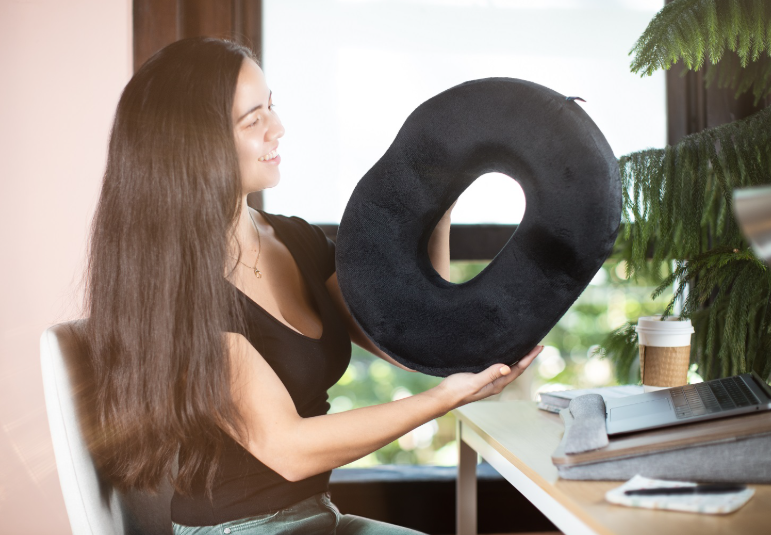
Tip: If you have tailbone pain, sit with a donut pillow under you. Its hollow center reduces pressure on the coccyx, making sitting much more comfortable.
2. How to sit on donut pillow for tailbone pain?
A donut pillow won’t work its magic if you just plop down—how you sit matters:
- Place the pillow in the center of your chair, with the hollow part lined up with your tailbone.
- Lower yourself slowly, making sure your tailbone hovers over the opening and your weight is evenly distributed on both hips.
- Keep your spine upright—don’t slump just because the pillow is soft.
- Use it for 30–60 minutes a day, paired with light walking or stretching to speed recovery.
A donut-shaped memory foam pillow used this way can relieve tailbone pain, reduce lower back pressure for people who sit long hours, and even help with coccyx, hip, and buttock discomfort caused by hemorrhoids, post-surgery soreness, or chronic sitting fatigue.
3. Defuse the Muscle “Time Bomb”: Move Regularly
The biggest hidden danger of sitting is keeping your muscles frozen in one position for hours.
Set a timer: Stand up and walk around every 45–60 minutes.
Stretch lightly: Roll your neck, stretch your back, move your wrists.
Mini workout: While sitting, tighten your abs and glutes for 10 seconds, repeat several times—it boosts blood flow.
Think of sitting’s damage like stagnant water—movement is your drainage system.

4. A Heart-Healthy Action Plan
Sitting too long slows blood circulation and burdens your heart.
Drink more water: Forces you to get up for refills or bathroom breaks.
Walk for 10 minutes after meals: Helps digestion and lowers blood sugar.
Avoid face-down naps: Opt for semi-reclined or supported positions to reduce heart pressure.
5. Tweak Your Workspace for “Auto-Health”
You may not be able to change your working hours, but you can adjust your environment:
- Standing desk: Alternate between sitting and standing.
- Ergonomic chair: Supports your back and reduces hip pressure.
- Keep a donut pillow handy: Especially if you’re prone to tailbone or lower back pain.
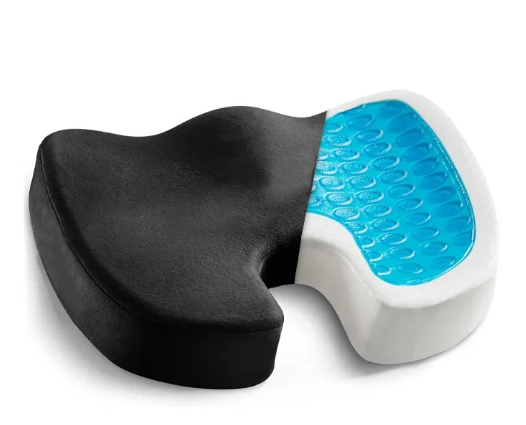
A gel memory foam donut pillow can not only keep you comfortable but also improve airflow while perfectly supporting your coccyx, hips, and buttocks.
These small, almost invisible upgrades can give you a priceless return—your health.
6. Sleep & Recovery: The Ultimate Secret
Choose a firmer mattress: Supports your spinal alignment.
Stretch for 5 minutes before bed: Releases muscle tension from the day.
Don’t forget tailbone care: If you’ve been sitting all day, you can even use a donut pillow while lounging at night to keep pressure off.
Final Thoughts: Sitting Isn’t the Enemy—Bad Habits Are
We can’t completely avoid sitting, but we can minimize its harm.
By fixing your posture, moving regularly, and using the right tools (like a gel memory foam donut pillow), your spine, heart, and muscles will thank you.
Next time you sit down, ask yourself: Is my posture being kind to my body right now?